

MSG toxic or safe? uplifting the “fog” on research reliability
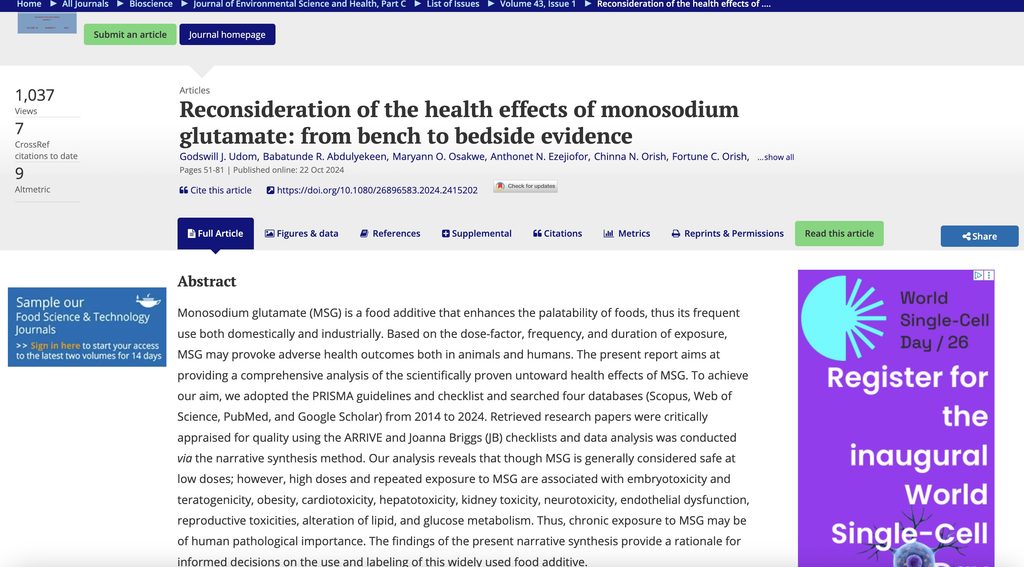
In the last decade many nutritionists and naturopaths such as myself have warn consumers about certain E numbers and other food additives which are claimed to be safe, yet many people frequently see real-world reactions that might not always be captured in large-scale, generalized population studies.
Since 1968, the year before publication of the first study documenting the fact that MSG kills brain cells and is an endocrine disruptor, Ajinomoto has vigorously denied MSG toxicity.[Citation76] Their use of scientists-for-hire, rigged research, infiltration of government agencies, control of major media, and an ongoing propaganda campaign has clearly paid off, as many believe that monosodium glutamate is a harmless food additive.[Citation76]
Suppression of data is not a topic easily discussed, but to understand scientists’ failure to come to grips with the root cause of brain damage that would have initiated both the obesity epidemic and the infertility crisis, suppression of data must not be overlooked.
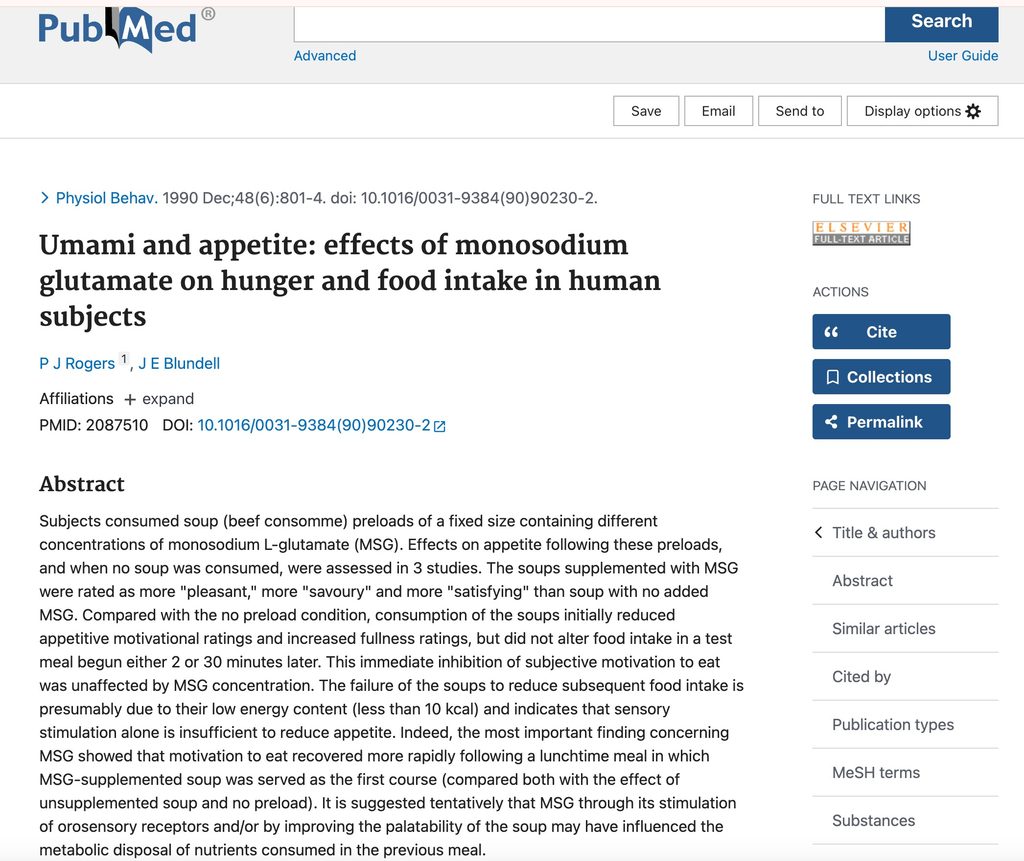
While there have been studies related to the toxicity of glutamate since 1980, with the exception of Olney’s work, there has been little consideration that the ingestion of MSG might play a role in the creation of abnormalities – except in studies done outside of the United States, done in Germany[Citation37–Citation39,Citation43], Argentina[Citation40], Canada[Citation41], Japan[Citation44], Italy[Citation46], India[Citation48,Citation51], Nigeria[Citation50], China[Citation52], Thailand[Citation56], and Saudi Arabia.[Citation55] By and large, it has only been MSG research that proclaims the safety of MSG, not questions the safety of MSG, that has been published in medical journals. Moreover, pressure from agents of the glutamate industry to keep any suggestion of MSG toxicity out of the media has been remarkably successful. Not since 1991, when ‘60 Minutes’ ran a story about MSG, has there been mention in any major media outlet in the U.S. dealing with MSG that was not approved by the glutamate industry. (The same has not been true in India and Pakistan where use of MSG in food is banned.) Details of Ajinomoto’s suppression of information pertaining to the toxic potential of MSG were published in 1999.[Citation76]
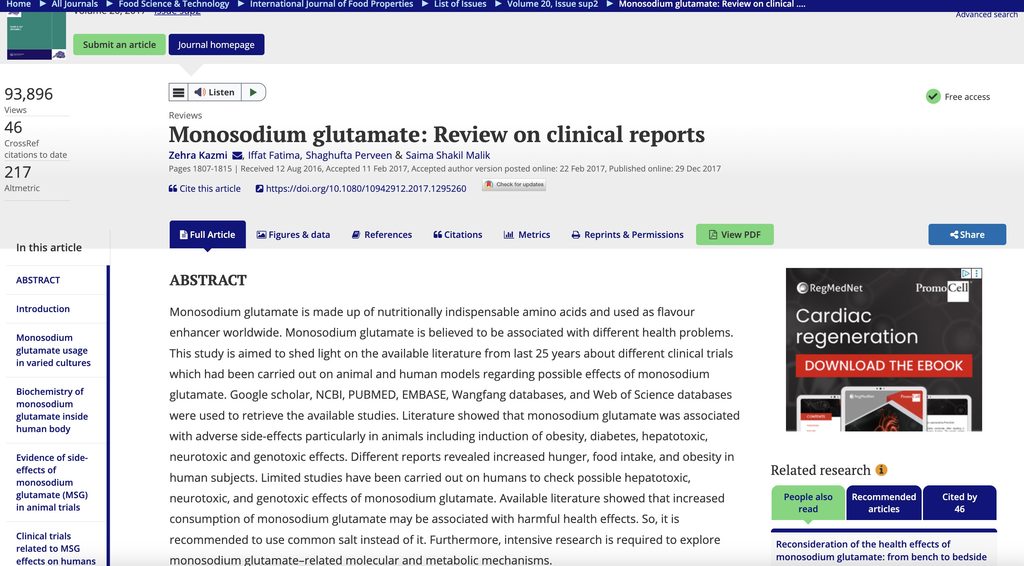
With the information provided here, it is hoped that this oversight will begin to be remedied. Recognition of the fact that glutamate/MSG passed to fetuses and neonates causes brain damage and disrupts the endocrine system will provide researchers with new knowledge to apply to their studies of glutamate-related abnormalities, and help health-care professionals find interventions for their patients – including those who suffer from obesity and reproductive disorders.